The Viking Massacre of Lindisfarne and the Silence of Heaven
June, 793 AD.
The monastery at Lindisfarne burns beneath a dark northern sky.
Monks scream as Viking raiders crash through sacred halls with axes and fire. Holy manuscripts are ripped apart. Saint Cuthbert’s shrine is desecrated. Bodies lie scattered across stone floors once filled with prayer.
Somewhere in the chaos, a young novice hides beneath a tapestry, trembling in terror while men devoted to God are slaughtered around him.
The attack on Lindisfarne was one of the most shocking moments in Christian history. Historians often mark it as the beginning of the Viking Age. But beyond the history books lies something deeper — a spiritual question that still echoes today:
Where was God?
And perhaps even harder:
Can you blame people for doubting Him after witnessing something like this?
When Faith Meets Horror
As I watched a documentary about Lindisfarne recently, I found myself unexpectedly emotional.
Not because I doubted God.
But because, for the first time in a long time, I truly understood why some people do.
Christians sometimes speak about faith as though it should be easy. We tell struggling people to “just trust God.” We quote Bible verses at broken hearts. We assume unbelief is rebellion.
But what if doubt is born from pain?
What if someone stopped believing because they watched tragedy destroy everything they loved?
The monks at Lindisfarne were not evil men. They prayed daily. They copied Scripture by hand. They dedicated their lives to Christ.
Yet they died violently inside a holy place.
To human eyes, heaven seemed silent.
And honestly, stories like this force us to wrestle with uncomfortable realities about suffering, faith, and human pain.
The Problem of Suffering Is Ancient
Modern people often assume doubts about God are new. They are not.
The Bible itself is filled with people crying out in confusion.
David wrote psalms asking why God seemed distant.
Job demanded answers after losing everything.
The prophet Jeremiah wept openly before God.
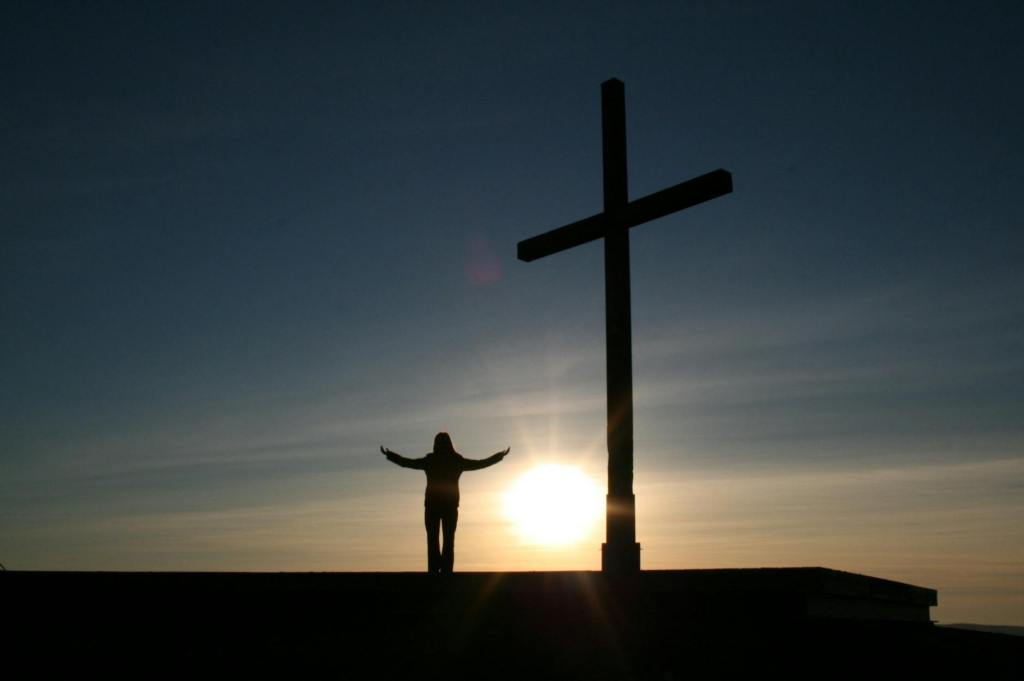
Even Jesus Christ, hanging on the cross, cried:
“My God, my God, why have You forsaken me?”
Christianity has never ignored suffering. In many ways, suffering sits at the centre of the Christian story.
But that does not make pain easier.
The destruction of Lindisfarne reminds us that faith is not blind optimism. Faith exists in a world where monasteries burn, innocent people die, and prayers sometimes seem unanswered.
Why This Changed the Way I View Doubt
Watching this story unfold softened something in me.
It reminded me that many people who struggle with belief are not arrogant or rebellious.
Sometimes they are wounded.
Sometimes they are grieving.
Sometimes life has hit them so brutally that belief feels impossible.
As a former Protestant minister who later became Catholic, I know how easy it can be to slip into theological certainty while forgetting human pain.
But history humbles us.
Imagine surviving the Lindisfarne massacre.
Imagine watching your brothers die while begging God for mercy.
Imagine sitting years later in a cold stone monastery cell, haunted by memories of smoke, blood, and screams.
Would doubt really be so surprising?
Christians Need More Compassion
One thing this story taught me is that Christians need to become kinder toward people wrestling with faith.
Too often we argue when we should listen.
Too often we debate when we should grieve alongside people.
Behind atheism there is sometimes trauma.
Behind anger at God there is sometimes heartbreak.
Behind skepticism there may be years of unanswered prayers.
Not every doubter hates God.
Some simply cannot reconcile suffering with a loving Creator.
And honestly, many believers wrestle with the exact same questions privately.
Lindisfarne Still Speaks Today
More than 1,200 years later, the ruins of Lindisfarne still whisper a message to us.
Faith is not the absence of questions.
Faith is continuing to seek God while carrying questions.
The monks of Northumbria lived in brutal times. They faced violence, plague, invasion, and uncertainty. Yet Christianity endured.
Not because believers always understood suffering.
But because somewhere beneath the ashes, hope survived.
That is what moves me most about the story of Lindisfarne.
Not triumph.
Not certainty.
But endurance.
Final Thoughts
If you struggle with faith sometimes, you are not alone.
And if someone else struggles, perhaps the most Christlike response is compassion rather than condemnation.
Because every person carries invisible battles.
Some people doubt because life has wounded them deeply.
And perhaps one of the greatest acts of Christian love is simply walking beside them with gentleness, humility, and understanding.
Even when heaven feels silent.
“If this reflection resonated with you, share your thoughts below. Have you ever wrestled with faith during suffering or silence from God?”






Thanks for your Visit Here, feel free to leave a comment 💟