
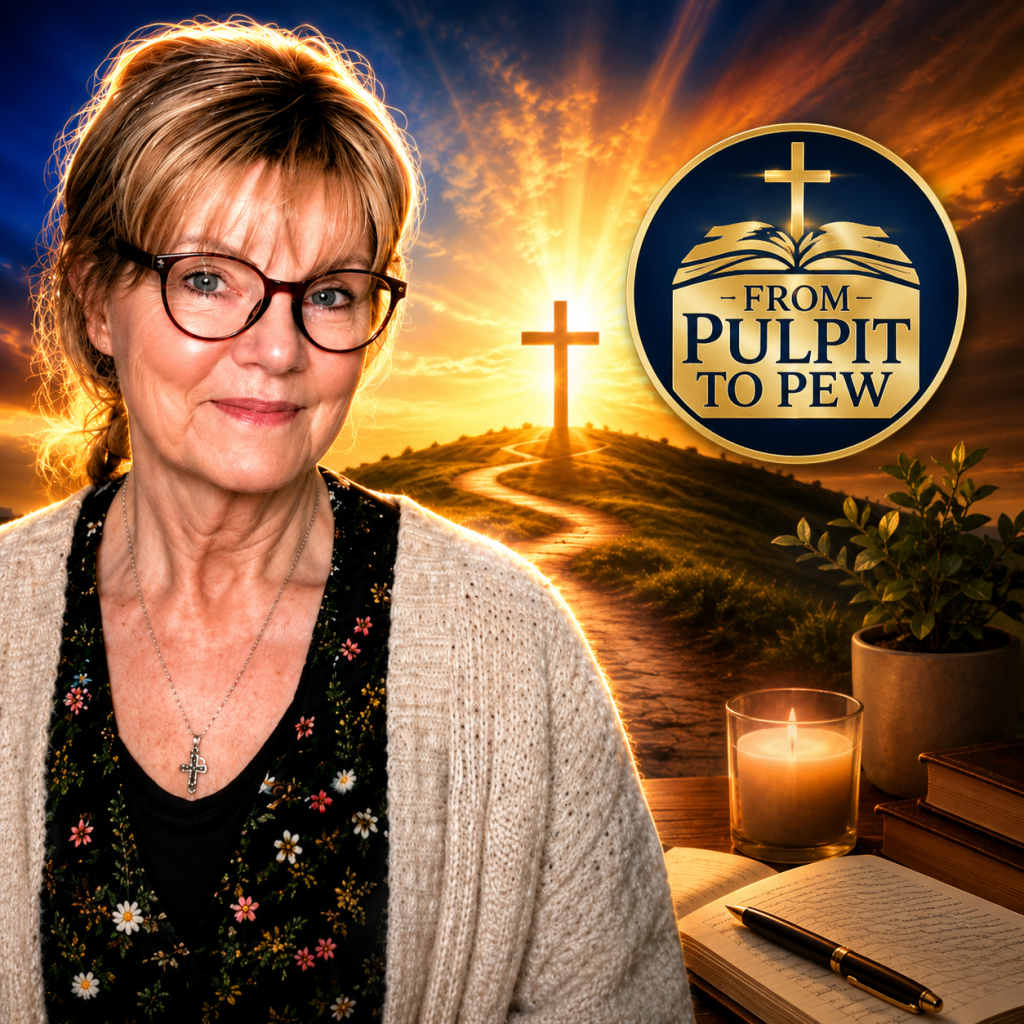
Pip: There’s a blog out there asking whether campaigning for women’s ordination is a form of spiritual abuse — and also whether the Rosary is your best defence against an age of deception. Paula Rose Parish M.A. is not, it turns out, easing anyone in gently.
Mara: From Pulpit to Pew covers two substantial territories this episode: Catholic teaching on ordination and the Rosary as a tool for spiritual protection. Let’s start with the ordination question — and why the post frames it as a matter of spiritual responsibility.
Catholic teaching on ordination
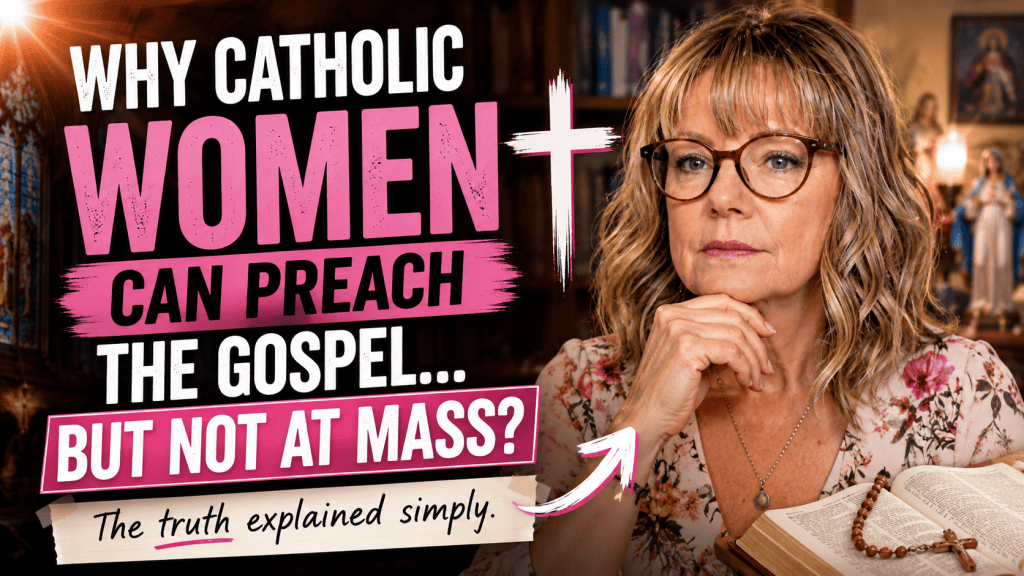
Pip: The post isn’t just rehearsing Church doctrine on why women aren’t ordained — it’s making a harder claim: that actively encouraging women to pursue the Catholic priesthood can itself cause spiritual harm.
Mara: The argument hinges on a 1994 document. Pope John Paul II’s Apostolic Letter Ordinatio Sacerdotalis declared: “The Church has no authority whatsoever to confer priestly ordination on women.”
Pip: So the framing shifts entirely. It’s not that the Church won’t ordain women — it’s that the Church says it can’t. Which means pointing women toward that vocation isn’t advocacy; it’s, the post argues, misdirection with real consequences.
Mara: The post works through those consequences carefully — a woman investing years pursuing something the Church teaches is impossible, growing frustrated, losing trust in the hierarchy, eventually leaving the sacraments altogether. That’s the spiritual-harm argument in plain terms.
Pip: And the counterpoint the post anticipates — that this is just discipline, like celibacy, and disciplines change — gets dismissed directly. Male priesthood is treated as sacramental constitution, not policy.
Mara: The post also points to figures like Catherine of Siena and Teresa of Avila as evidence that holiness and authority within the Church have never depended on ordination. Significant spiritual influence, no priestly orders.
Pip: Which sets up the Rosary piece rather neatly — if the interior life is where the real work happens, what actually forms it?
The Rosary as a guard against deception
Mara: That’s exactly where the second post begins — not with devotion for its own sake, but with a diagnosis: we live, it says, in an age of competing voices, information overload, and spiritual confusion.
Pip: And the Rosary is the proposed remedy — not as a comfort object, but as what the post calls a spiritual training exercise for the mind.
Mara: The post roots this in Scripture from the start. Jesus says, “See that no one deceives you,” and Paul urges believers to think on whatever is true, noble, right, and pure. The Rosary, the argument goes, is a structured way of doing exactly that.
Pip: So the repetition isn’t the point — the redirection is. Every decade pulls attention back to a moment in Christ’s life rather than leaving the mind loose in the noise.
Mara: The post illustrates this through three historical figures. Maximilian Kolbe sustained faith in Auschwitz through Marian devotion. John Paul II, who lived under both Nazi and Communist rule, called the Rosary his favourite prayer. Bartolo Longo came out of occult involvement and spent his life promoting it.
Pip: Three people for whom the stakes of mental formation were not abstract.
Mara: The post also draws on Paul’s letter to the Ephesians — “Put on the full armour of God, so that you can take your stand against the devil’s schemes” — to frame the Rosary explicitly within spiritual warfare. The claim is that it builds discernment, not just peace.
Pip: Which brings it back to the ordination piece, really — both posts are ultimately about what happens when formation fails and people are led somewhere the Church says they shouldn’t go.
Mara: Formation, discernment, the cost of misdirection — those are the threads running through both posts.
Pip: Next time, we’ll see what territory From Pulpit to Pew moves into. Something tells me the stakes won’t be getting lower.



Thanks for your Visit Here, feel free to leave a comment 💟